

Updated: October 2026 · By Acharya Chhaya Goyal, Founder, Vaastu Devayah Namah
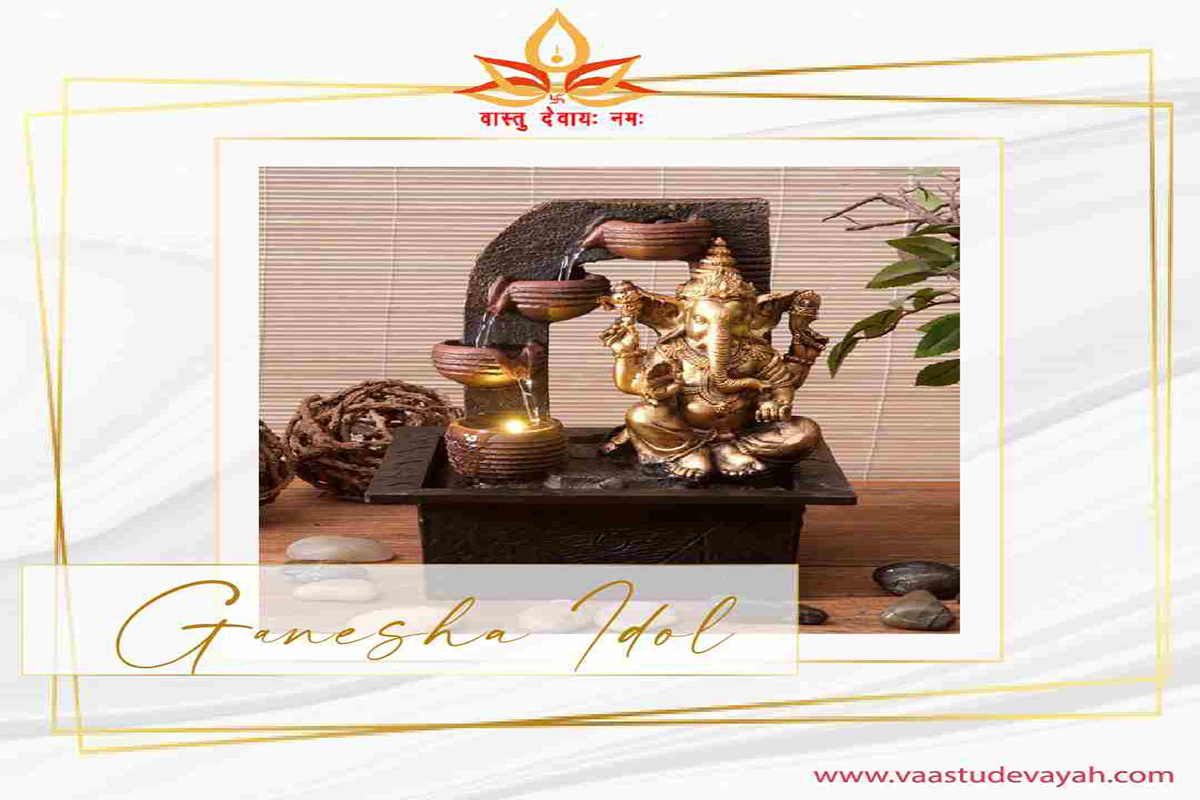
Ganesh Visarjan, the immersion of the Ganesha idol, is a tradition of Maharashtra. There, Lord Ganesha is celebrated as a guest and honoured as the king of Lal Bagh for the festival period, and is then bid farewell. Elsewhere in India, Lord Ganesha is considered the owner of the house. So we recommend that you place the Ganesha idol at home and celebrate with joy, but do not immerse it.
Key takeaways
॥ ॐ गं गणपतये नमः ॥ (Om Gam Ganapataye Namah)
Greetings on the auspicious occasion of Shri Ganesh Chaturthi.
Shri Ganesha is the Lord of New Beginnings and the Remover of Obstacles. Ganesh Chaturthi is a Hindu festival celebrated with great pomp and show, and it marks the beginning of a prosperous and joyous period of festivities.
In some parts of our country, it is customary to invite Lord Ganesha home on Ganesh Chaturthi, and then bid him goodbye and immerse the idol after a few days. But this is not universally appropriate. Who are we to bid goodbye to the Lord of New Beginnings for a whole year, when all our customs, rituals, celebrations, festivities and Diwali Poojan are incomplete without him?
"Shri Ganesh ji is worshipped as the Remover of Obstacles. If we give him a farewell, whom will we turn to then?"
— Acharya Chhaya Goyal, Founder, Vaastu Devayah Namah
Today, many people follow trends and copy what others do, often without knowing the logic behind a ritual. It is important to understand the science and logic behind our rituals.
It has become common to keep a Ganesha idol at home during Ganesh Utsav without knowing its real meaning. This 3, 5, 7 or 11 day ritual is followed by immersing the Ganesh ji idol and offering him a joyful farewell. This is not the right thing to do, except if you live in Maharashtra.
Our sincere request: do place the Ganesh ji idol at home, celebrate and enjoy the festival, but do NOT immerse the idol. Ganesha Visarjan is to be followed only in Maharashtra.
This goes back to a story in which Lord Ganesha went to Maharashtra as a guest, invited by his elder brother Lord Kartikeya, the king of Lal Bagh. During Lord Ganesha's stay in Maharashtra, Goddess Laxmi and Lord Ganesha's wives, Riddhi and Siddhi, also stayed there. This proved extremely beneficial for Lal Bagh, filling the kingdom with wealth and prosperity.
So Lord Kartikeya honoured Ganesha as the king of Lal Bagh for that period, and this time began to be celebrated as Ganesha Utsav in Maharashtra.
Elsewhere in India, Lord Ganesha is considered the owner of our house. So we are not supposed to bid him goodbye at any point of time.
By immersing the Ganesh ji idol:
Imagine how you would pray to Ganesha, Laxmi, Riddhi and Siddhi ji during Navratri and Diwali, when you have already bid them goodbye for the year.
"When we immerse the Ganesha idol, we do not bid goodbye to Ganesha alone. We also unknowingly bid farewell to Goddess Laxmi, Riddhi and Siddhi."
— Acharya Chhaya Goyal, Founder, Vaastu Devayah Namah
Place the Ganesha idol from your home temple on the altar. Pray and celebrate the festival with joy. Once the festivities are over, do not immerse the idol or bid farewell to Shri Ganesha. Instead, return Him to your home temple, where He continues to reside as the guardian of your home, so that His blessings, along with those of Goddess Lakshmi, remain with your family throughout the year, bringing wealth, happiness, and prosperity.
॥ ॐ एकदंताय नमो नमः ॥ (Om Ekadantaya Namo Namah)
Vakratunda Maha-Kaaya Surya-Kotti Samaprabha
Nirvighnam Kuru Me Deva Sarva-Kaaryeshu Sarvadaa ||
One of the most important and most common Ganpati mantras, this is the Ganesh mantra for wealth. It is dedicated to Lord Ganesha, Goddess Riddhi (Hindu Goddess of prosperity) and Goddess Siddhi (Hindu Goddess of spiritual enlightenment).
Aum Ekadantaya Viddhyamahe, Vakratundaya Dhimahi,
Tanno Danti Prachodayat ||
This mantra honours Ganesha as Ekadanta, the one with a single tusk. In a fight with Guru Parashuram, Parashuram threw an axe at Lord Gajanan. The axe had been a gift to Parashuram from Lord Shiva, Ganesha's father. To honour this gift, Ganesha chose to bear the axe's blow instead of destroying it. Ganesha lost one of his tusks, but gained humility and modesty.
Want your home's pooja room and energies aligned for the festive season? Book an online Vastu consultation →
Ganesh visarjan is a tradition of Maharashtra. There, Lord Ganesha is celebrated as a guest and honoured as the king of Lal Bagh for the festival period, and is then bid farewell. Elsewhere in India, Lord Ganesha is considered the owner of the house, so the idol should not be immersed.
No, unless you live in Maharashtra. Place the Ganesh idol at home, celebrate the festival with joy, but do not immerse the idol or bid goodbye to Shri Ganesha once the festival ends.
Lord Ganesha went to Maharashtra as a guest of his elder brother Lord Kartikeya, king of Lal Bagh. Goddess Laxmi and Ganesha's wives Riddhi and Siddhi also stayed there, filling the kingdom with wealth and prosperity. Lord Kartikeya honoured Ganesha as king of Lal Bagh for that period, which is celebrated as Ganesh Utsav, followed by his farewell.
By immersing the idol, we forcefully bid goodbye to Lord Ganesha and unknowingly also bid farewell to Goddess Laxmi, Riddhi and Siddhi, which can create scarcity at home. It also creates a disconnect for a whole year, including Navratri and Diwali, when we pray to them.
The Vakratunda Mahakaya mantra is the Ganesh mantra for wealth: Vakratunda Maha-Kaaya Surya-Kotti Samaprabha, Nirvighnam Kuru Me Deva Sarva-Kaaryeshu Sarvadaa. It is dedicated to Lord Ganesha, Goddess Riddhi and Goddess Siddhi.
The Ganesh Gayatri Mantra is: Aum Ekadantaya Viddhyamahe, Vakratundaya Dhimahi, Tanno Danti Prachodayat. It honours Ganesha as Ekadanta, the one with a single tusk.